

Relying on outdated assumptions about your equipment can compromise both firefighter safety and performance. Separating field myths from manufacturing reality is critical when figuring out what’s best for your department. Below, we break down five common fire hose myths and reveal what modern materials, rigorous testing, and American manufacturing standards actually mean for your operations.
Myth #1: Heat-testing is all the same
Every hose undergoes testing, but not all testing is the same. Under UL-19 and NFPA 1961 standards, manufacturers are expected to classify fire hoses that are 3-inches in diameter and under into specific heat resistance types (Type 1, Type 2, or Type 3) based on the results of the Radiant Heat Test and the Conductive Heat Test.
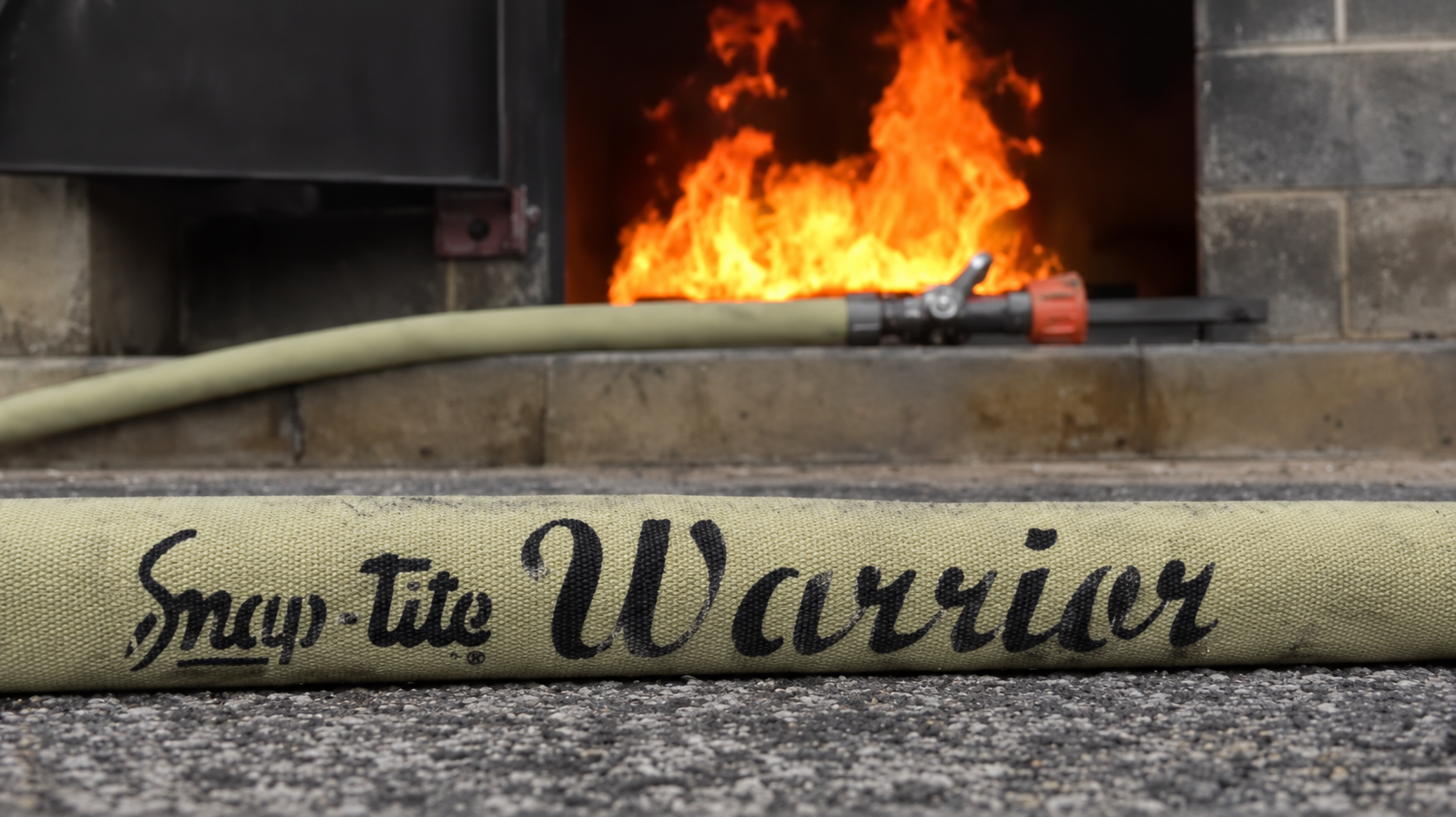
For example, Snap-tite’s Warrior™ is the only Type 1 fire hose in the industry because it can last up to 15 minutes with Radiant Heat and Conductive heat testing.
Learn More About Industry Standards
Myth #2: The greater the heat resistance, the more difficult the handling
Not necessarily. Just because a hose may be heat-resistant, doesn’t automatically make it more difficult to handle. It depends more on what kind of materials are used and overall weight.
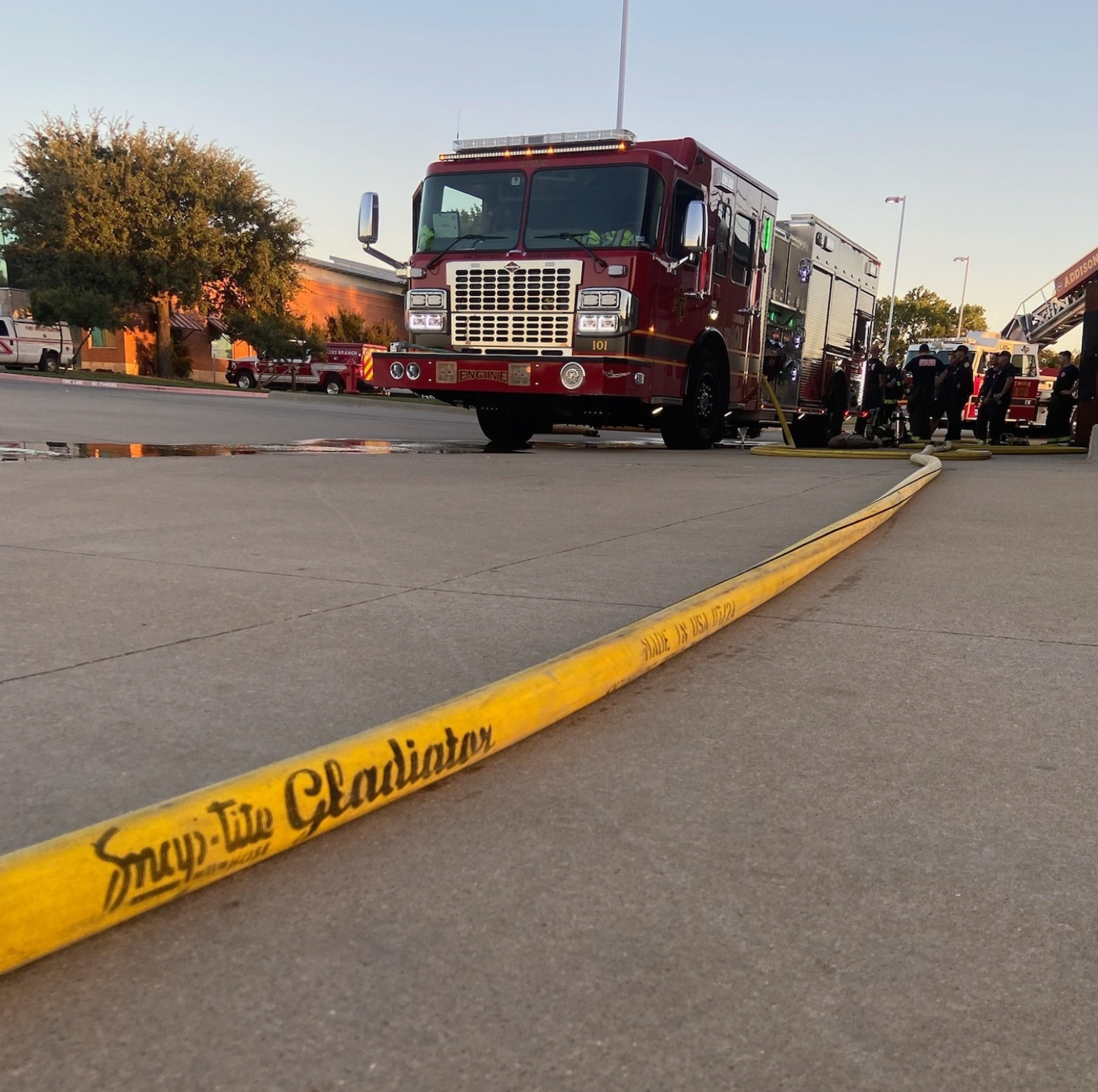
Modern high-temperature fire hoses are made with advanced outer jackets and specialized materials designed to survive the UL-19 heat tests without sacrificing easy maneuvering. If you’re looking for hose that combine heat-resistance, easy handling, and exceptional water flow, check out Warrior™, Gladiator™, or Supreme II™.
Myth #3: All hose delaminates over time
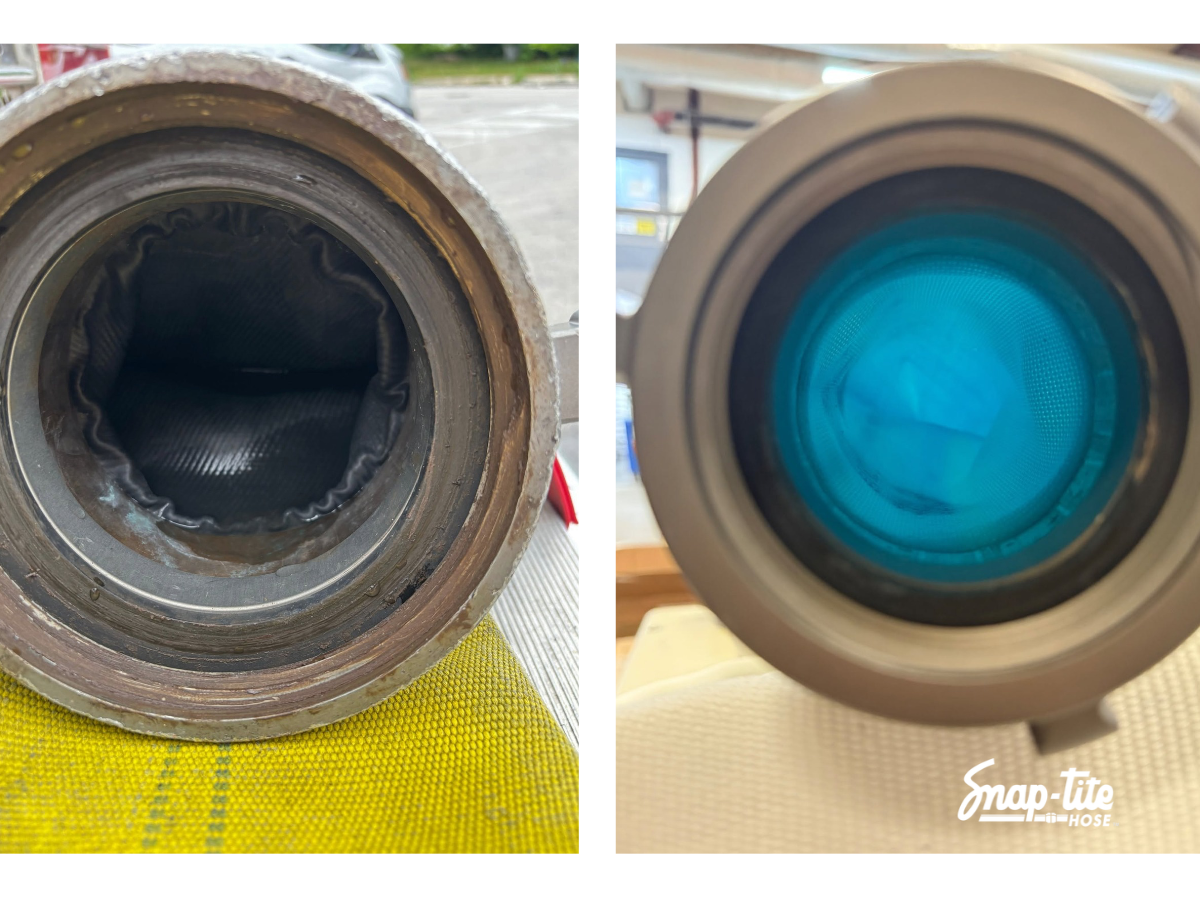
Nope, not all! Delamination occurs when the inner liner separates from the outer jacket, causing damage that greatly increases the risk of failure.
Snap-tite creates hose that never separates because of our extruded thru-the-weave liners that are built without any adhesive bonding. We guarantee that with a lifetime warranty against delamination.
Myth #4: Lightweight hose is lower quality and kinks easily
Not with Snap-tite. Heavy doesn’t automatically mean strong and light doesn’t mean weak.
Our advanced thru-the-weave construction uses materials like polyurethane and nitrile rubber, to engineer hoses that pack well and ease the physical strain on smaller crews. The result is a lightweight hose that remains exceptionally kink-resistant, even at lower pressures.
Learn More About Lightweight Hose Benefits
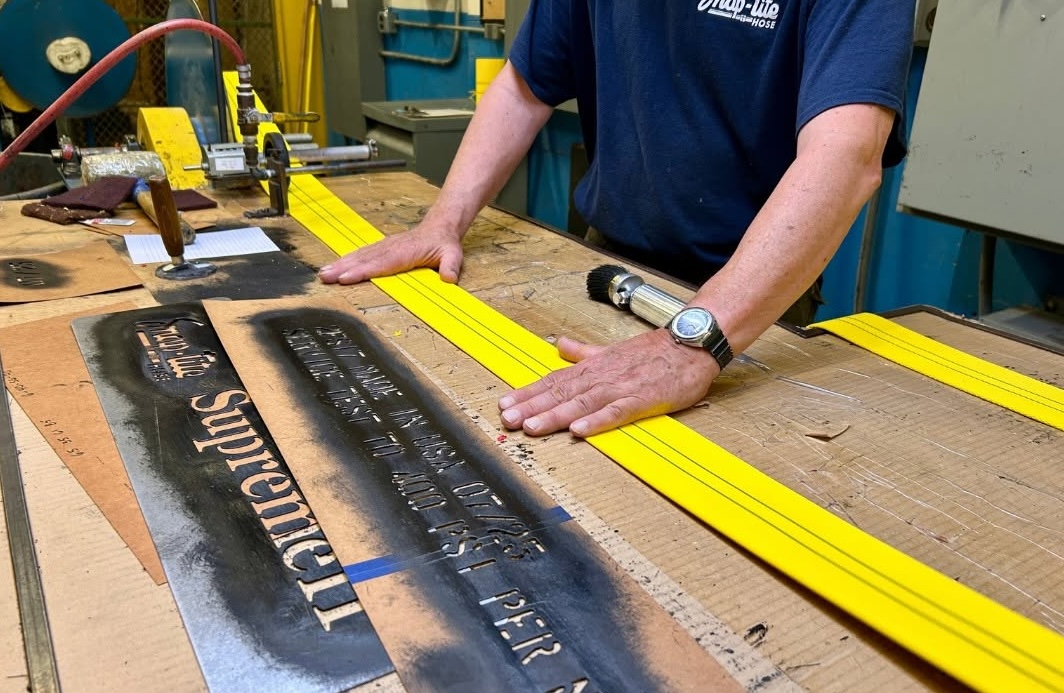
Myth #5: Lay-flat hose is all manufactured the same
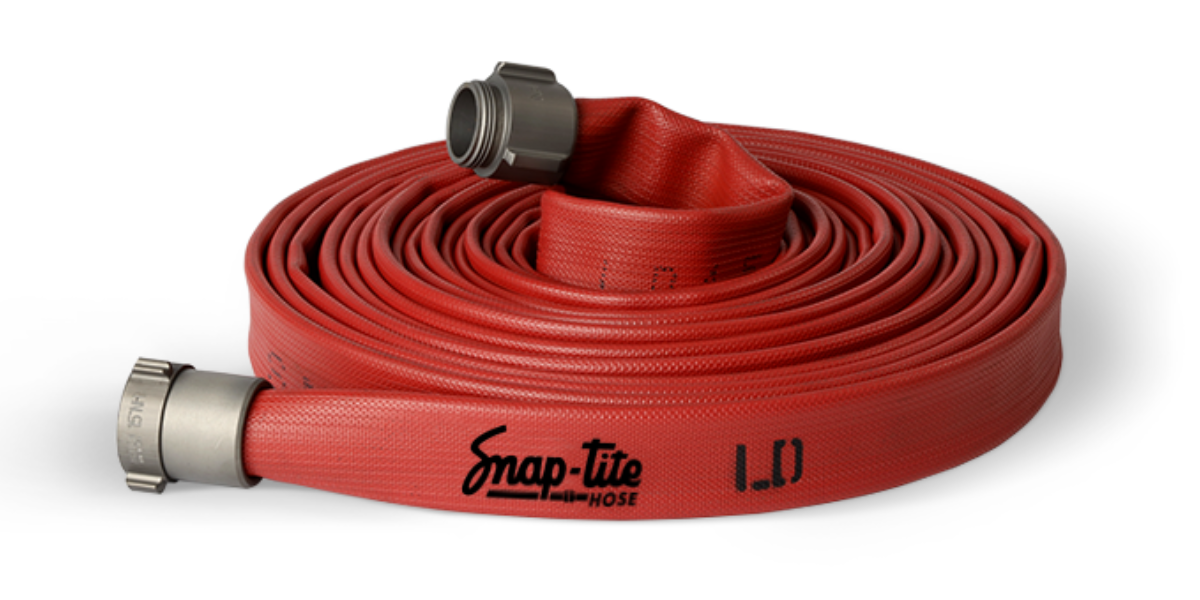
The simple answer is no.
What Sets Us apart?
- ISO 9001:2015 Quality Certification: We are the only ISO 9001:2015-certified lay-flat hose manufacturer in North America.
- 100% Made in America: All products are manufactured in Erie and Union City facilities.
- 100% Tested: Every single hose is hydrostatically tested and inspected for defects before leaving our facilities.
- PFAS-Free Hose: Our hoses have been independently certified by the University of Notre Dame to contain zero PFAS chemicals.