

There’s no doubt about it: firefighting is a hazardous occupation. Firefighters face many risks in the line of duty. A big, but silent one, is cancer.
Unfortunately, due to the nature of the work and proximity to hazardous materials, the risk of developing cancer is high and continuing to rise. According to the International Association of Fire Fighters, occupational cancer is the leading cause of line-of-duty death in the fire service.
Prevention and awareness are essential. Below, we break down common hazardous material exposures, practical ways to reduce cancer risk, and how departments are taking action.
What Exposures Should I be Aware of as a Firefighter?
Many burning materials release some kind of carcinogen, especially with many modern materials being at least partially synthetic.
Here’s what you could be exposed to, by call type:
- Chemical or industrial fires: Fuels and hazardous materials containing things like polybutylene carbonates (PBC), asbestos and formaldehyde
- Dumpster or trash fires: Mixed waste and synthetic materials containing heavy metals, polyvinyl chloride (PVC) byproducts and dioxins
- Overhaul operations: Hidden smoldering materials and poor ventilation containing carbon monoxide, dioxins and hydrogen cyanide
- Structure fire: Smoke, soot and combustion byproducts containing benzene, polycyclic aromatic hydrocarbons (PAHs) and things like formaldehyde and asbestos
- Vehicle fires: Burning plastics, fuel vapors and metals containing things like benzene, pyrene, lead and arsenic
- Wildland or brush fires: Combusted treated wood and household chemicals containing things like arsenic and formaldehyde
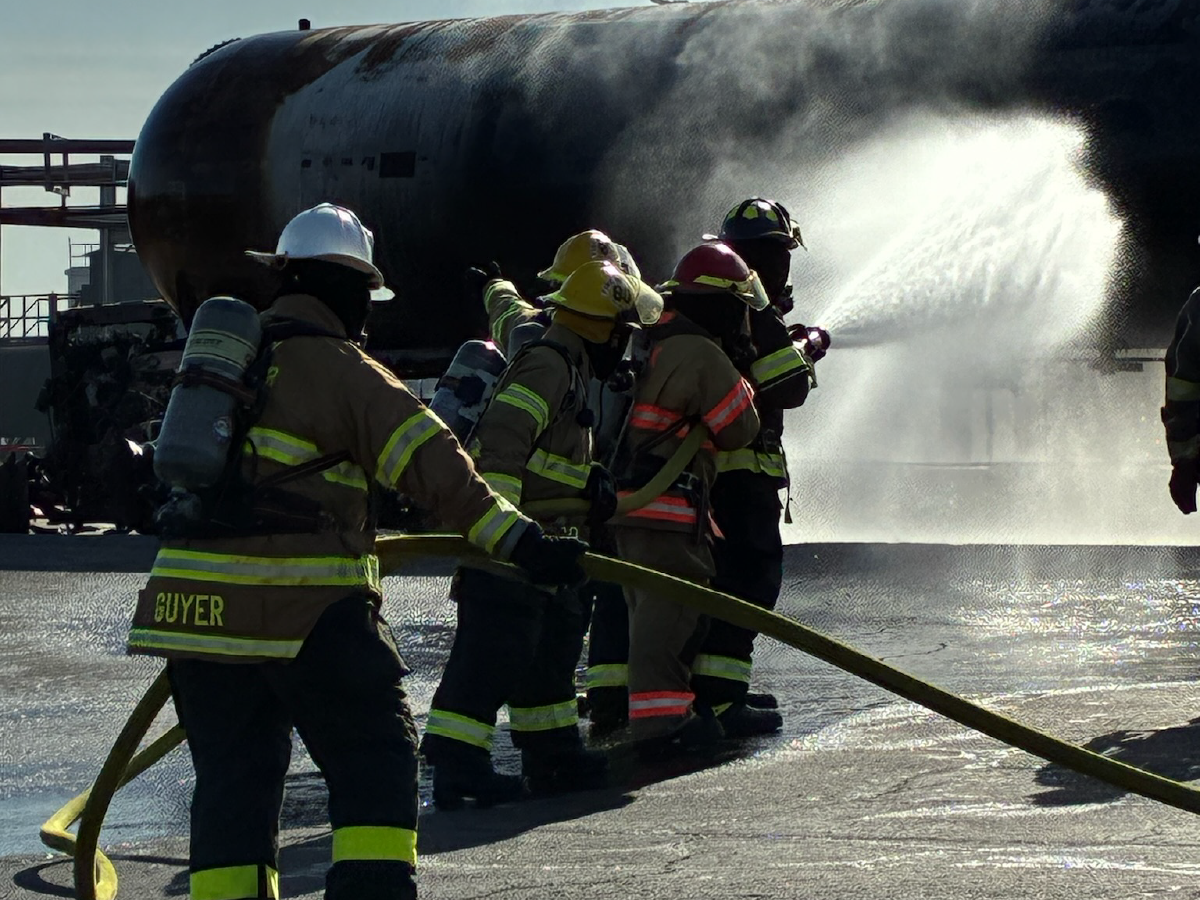
Any burning byproducts that contaminate your gear can later off-gas, creating another potential exposure risk. Be mindful of cross-contamination from gear and tools used on the fireground that are then brought into apparatus and the fire station.
Firefighting foam, used when water isn’t effective or could worsen a fire, carries its own risks due to per- and polyfluoroalkyl substances (PFAS,) often referred to as “forever chemicals.”
How Can I Reduce my Cancer Risk as a Firefighter?
Carcinogens can enter the body through inhalation, ingestion, or absorption when they come into contact with the skin and eyes. Reducing exposure starts with wearing the proper protective gear and respiratory protection at all times.
Effective decontamination practices are equally critical. While dirty, sooty, blackened turnout gear is often viewed as a badge of honor—proof that you “saw fire”—the reality is that contaminated gear is coated with carcinogens. If not properly cleaned, it can also off-gas, spreading contaminants to surrounding areas and items wherever the gear is stored or handled.
To help reduce exposure, wash your gear after every call involving fire or contact with substances that contaminate it. Thoroughly scrub your helmet, mask, and air pack harness, and allow all equipment to fully dry before returning it to service.
All hoses, tools, and other equipment used on the fireground should also be carefully cleaned to protect both yourself and your fellow firefighters.
Finally, consistent use of appropriate respiratory protection, such as a Self-Contained Breathing Apparatus (SCBA), is essential for minimizing inhalation exposure.
In the past, it was common for firefighters to remove their air packs once flames were extinguished. Current best practice, however, is to keep SCBA in use throughout overhaul operations.
How are Fire Departments Addressing Cancer Risk?
January is Firefighter Cancer Awareness Month, dedicated to shining a brighter spotlight on cancer as a line-of-duty risk. Along with encouraging regular cancer screenings and healthy lifestyle choices, departments can continue reinforcing proper gear cleaning, equipment decontamination, and best practices to help reduce exposure.
To support awareness and long-term research, the Centers for Disease Control and Prevention has established the National Firefighter Registry for Cancer (NFR). This voluntary registry collects information from current and former firefighters to better understand and reduce cancer within the U.S. fire service. Participation is open to all U.S. firefighters and is free to join.
How is Snap-tite Hose Addressing Cancer Risk?
We know that once our hose leaves the factory, we can’t control the environments it may encounter. What we can control is ensuring that every hose we produce doesn’t contribute to the problem. Snap-tite Hose is committed to leading that effort.
In 2025, independent studies conducted by the University of Notre Dame confirmed that all Snap-tite products leave our facilities PFAS-free.
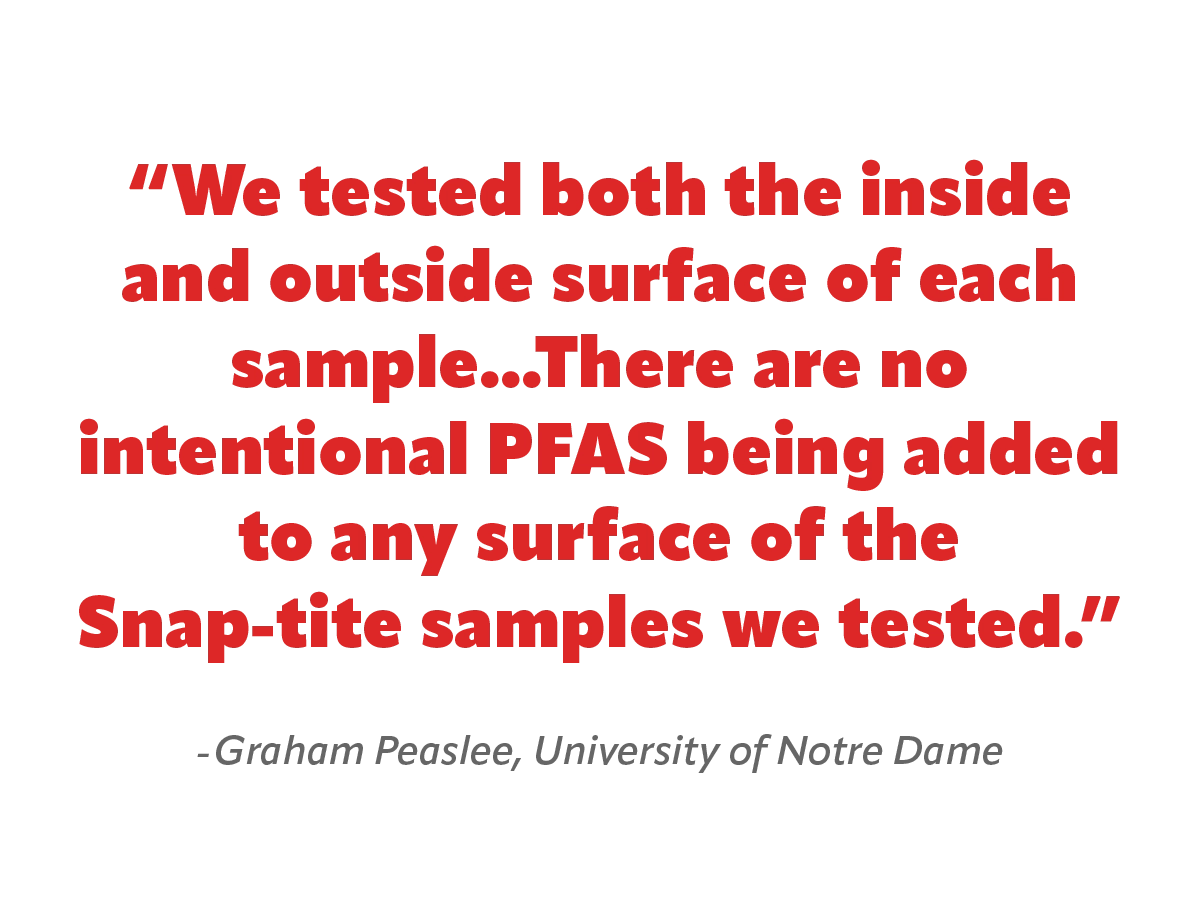
"We tested both the inside and outside surface of each sample...There are no intentional PFAS being added to any surface of the Snap-tite samples we tested,” said university physicist and PFAS expert Graham Peaslee.
And we don’t just stop there. Our rubber hoses are designed to be easily cleanable after use, meaning with just a little soap and water, a Snap-tite “Klean Hose” can be returned to its original state. Learn more about this initiative here!
Final Thoughts
Cancer may be a silent threat, but it is not an unavoidable one. While firefighters can’t eliminate every hazard they face on the job, awareness, prevention, and consistent best practices can significantly reduce long-term risk. From understanding where exposures occur, to committing to thorough decontamination and proper respiratory protection, every step taken on and off the fireground matters.
Real progress happens when individual actions are supported by department-wide policies and industry leadership. Ongoing research, improved standards, and safer equipment are helping move the fire service in the right direction, but protecting firefighter health ultimately requires daily commitment.
By staying informed, taking cancer prevention seriously, and demanding safer solutions, firefighters and departments alike can help ensure that protecting lives doesn’t come at the cost of their own.