

Written in collaboration with Paul Ito, Snap-tite sales representative
When most people picture wildfires, they think of triple-digit heat, dry vegetation, and a long summer burn window. But for crews on the ground, especially in places like Southern California, wildland fire has become a year-round threat, and winter offers little relief.
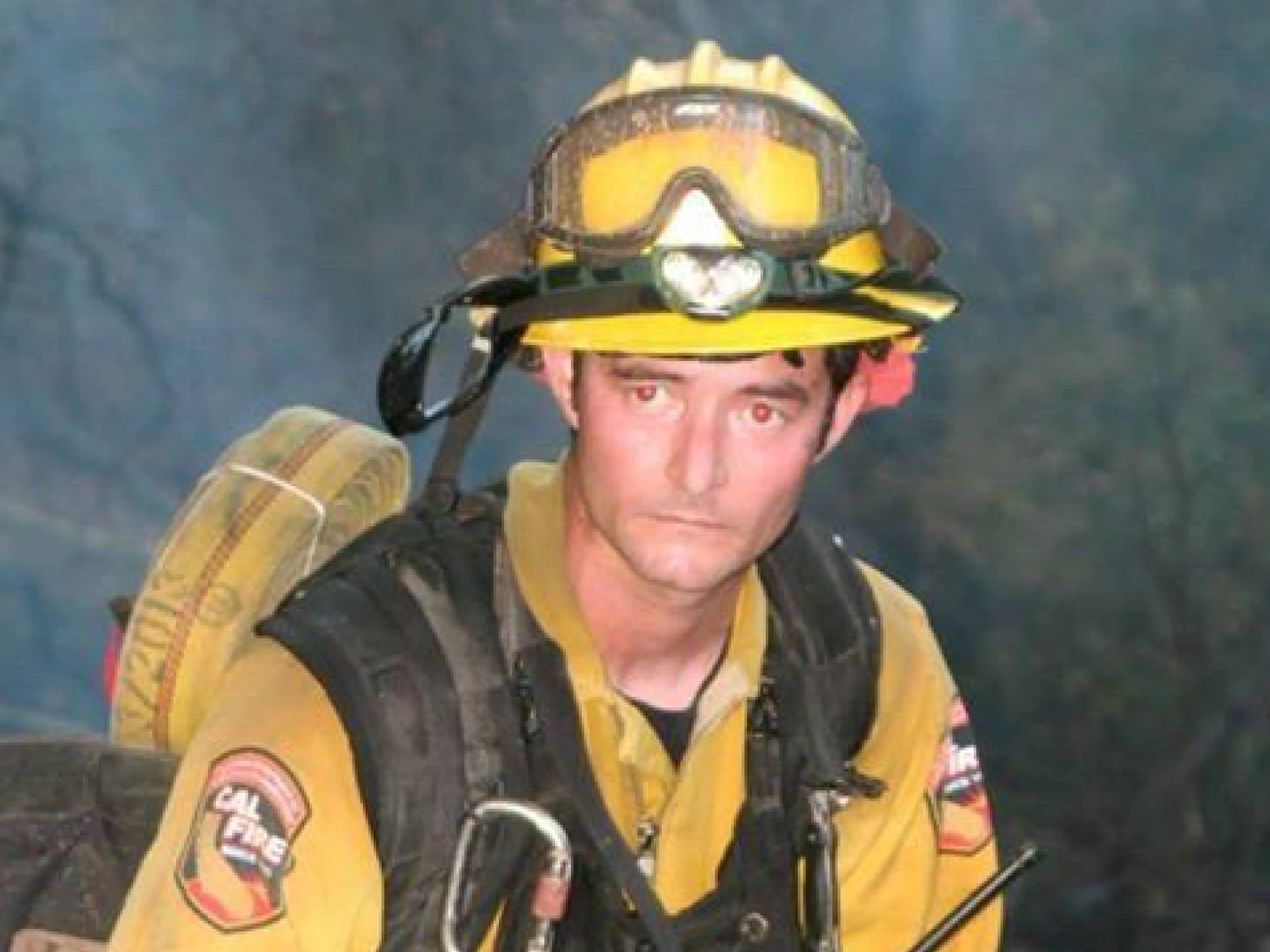
To better understand what winter wildland operations look like in practice, we turned to Cal Fire veteran Paul Ito, who spent 13 years with the department, including 11 years as a firefighter and 2 years as a Defensible Space Inspector. Much of his career was spent in Battalion 5 of the San Diego Unit at Cuyamaca Station 51, an area that regularly sees snow and ranges in elevation from 4,000 to over 6,500 feet.
Today, Ito serves on the Snap-tite Hose sales team, but his years with Cal Fire reinforce a simple truth: winter is not an off-season.
A Career Shaped by Mountain Weather
Working in Cuyamaca meant adapting to rapid weather shifts, complex micro-climates, and all four seasons, sometimes in a single shift. While many associate San Diego with sun and surf, the mountain region operates under a completely different climate. Firefighters there might suppress a winter fire at 5,000 feet in snowy conditions and then be assigned to a desert incident the very next day.
This mix of coastal, valley, mountain, and desert environments means winter operations can vary dramatically, and crews must be prepared for each unique terrain and climate pattern.
Winter vs. Traditional Wildland Firefighting
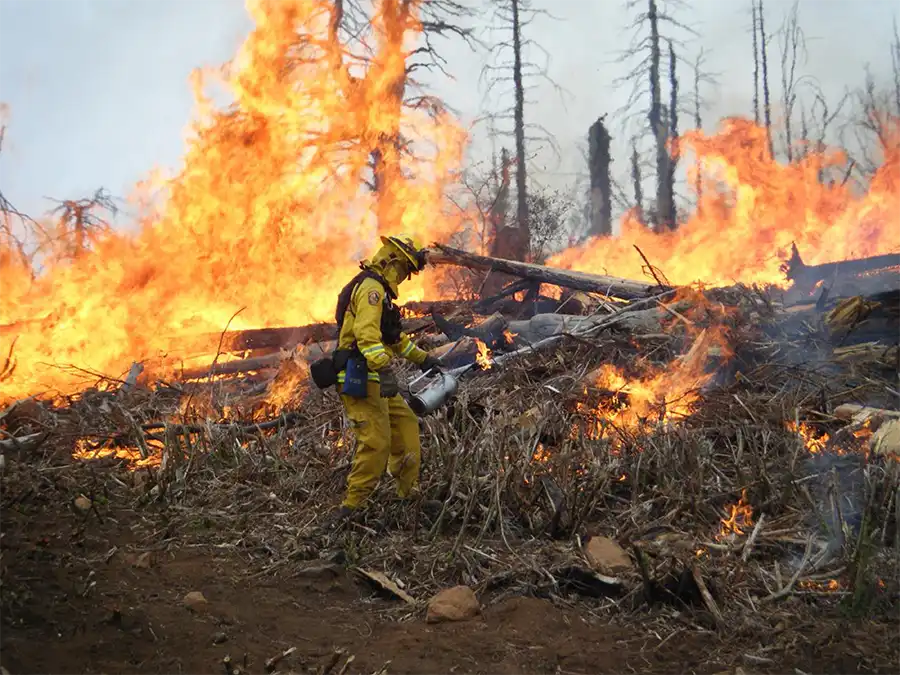
The key difference lies in fuel conditions and fire spread potential. Snow cover generally reduces spread potential, but in dry years, especially those with limited precipitation and multiple Santa Ana wind events, fuels can dry to levels equal to or worse than summertime.
Under these conditions, fires can still exhibit moderate, rapid, or even critical rates of spread, catching new firefighters by surprise. The calendar may say “winter,” but the fuels often behave otherwise.
Recent winter vegetation fires in Southern California and Los Angeles County have caused major destruction, further proving that winter wildfires can be just as damaging as those in peak season.
Environmental Challenges: Cold, Snow, and Mindset
Cold temperatures impact both tactical decisions and crew mindset. Firefighters are conditioned to associate wildland incidents with heat, so winter requires a shift in expectations. Fire behavior, access, and weather influence all change in colder environments.
On winter fire days, crews may face:
- Snow or frozen roads slowing response times
- Limited movement due to icy terrain
- Adjusted hydration needs
- Reduced comfort and dexterity
One of the biggest misconceptions is that snow automatically reduces risk. In Southern California, some winters barely feel like winter at all—temperatures and precipitation don’t always align with the season.
Gear and Equipment in Winter
Most winter wildland operations use the same gear as the rest of the year, but firefighters often add:
- Extra base layers under Nomex
- A beanie or flash hood for warmth
- Additional cold-weather PPE as needed
Training: Winter Isn’t the Off-Season Anymore
Traditionally, many departments shift their training in December, focusing more on structure fires and traffic collisions once winter precipitation arrives. That approach no longer matches today’s fire environment.
Departments across the West increasingly recognize that vegetation fires can occur at any time of year. Because of this, crews need to maintain their wildland readiness.
Ito highlighted the importance of keeping core skills sharp:
- Wildland hose lays
- Mobile pumping
- Reviewing the 10s and 18s*
- Downhill checklists
- Daily weather reading
- Studying fire history and major past incidents
Early in his career, Ito responded to a 1,000-acre vegetation fire in Phelan, California during late February. It served as a memorable reminder that significant wildfires can ignite even deep into winter.
*Industry Expert Tip: 10 Standard Firefighting Orders
The point of these is to help firefighters work safely in hazardous environments by giving guidelines. They are grouped according to different categories. 1-3 are fire behavior, 4-6 are fireline safety, 7-9 are organizational control, and 10 happens if 1-9 are followed.
- Keep informed of fire weather conditions and forecasts.
- Know what the fire is doing at all times.
- Base all actions on current and expected behavior of the fire.
- Identify escape routes and safety zones and make them known.
- Post lookouts when there is possible danger.
- Be alert. Keep calm. Think clearly. Act decisively.
- Maintain prompt communications with your forces, your supervisor, and adjoining forces.
- Give clear instructions and be sure they are understood.
- Maintain control of your forces at all times.
- Fight fire aggressively, having provided for safety first.
18 Watch Out Situations
These are specific fireline situations that have lead to entrapments, injuries, or fatalities in wildfire history. They serve as cautionary warnings to keep in the back of your mind while fighting fire.
- Fire not scouted and sized up.
- In country not seen in daylight.
- Safety zones and escape routes not identified.
- Unfamiliar with weather and local factors influencing fire behavior.
- Uninformed on strategy, tactics, and hazards.
- Instructions and assignments not clear.
- No communication link with crew members or supervisor.
- Constructing line without safe anchor point.
- Building fireline downhill with fire below.
- Attempting frontal assault on fire.
- Unburned fuel between you and fire.
- Cannot see main fire; not in contact with someone who can.
- On a hillside where rolling material can ignite fuel below.
- Weather becoming hotter and drier.
- Wind increases and/or changes direction.
- Getting frequent spot fires across line.
- Terrain and fuels make escape to safety zones difficult.
- Taking a nap near fireline.
Advice for New Firefighters
For those encountering winter fire operations for the first time, Ito recommends:
- Training consistently, even during downtime
- Reviewing fundamentals such as the 10s/18s, downhill checklist, and go/no-go procedures
- Reading green sheets* and blue sheets* to learn from past incidents
- Understanding local fire history and fire behavior patterns
- Maintaining physical fitness, since winter conditions introduce additional stress
*Industry Expert Tip:
CAL FIRE blue sheets are a preliminary summary report and usually out within a few days after a significant event involving injuries, fatalities or serious operational incidents. It describes what happened, initial facts etc. and not an in-depth investigation.
Green sheets are a formal and detailed reports with interviews, timelines, contributing factors and analysis. They identify root causes and corrective actions, and are considered an official investigative document.
What the Public Should Know
Winter does not eliminate wildfire risk. Even in December or January, fuel conditions, weather patterns, and the vegetation surrounding homes can still support fire. Situational awareness remains just as important in winter as in summer.
Final Thoughts
Winter wildland firefighting is demanding, unpredictable, and often misunderstood. But with strong training, the right mindset, and year-round vigilance, firefighters can adapt to the unique challenges that winter fire operations present.
For those on the line, preparedness can’t pause for the season.
Want to learn more? Give Paul a ring!