

Why Annual Hose Testing Matters
Fire hose is one of the most critical pieces of equipment on any fire apparatus. Whether responding to a structure fire, supporting industrial emergency operations, or managing a large-scale incident, firefighters rely on hose to deliver water safely and effectively under demanding conditions.
Like any equipment exposed to repeated use, environmental stress, and high operating pressures, fire hose can deteriorate over time. Damage may not always be visible during routine use. Internal wear, weakened couplings, abrasion, chemical exposure, and age-related degradation can all compromise hose performance and increase the risk of failure during an emergency.
That is why annual fire hose testing remains a fundamental component of fire department and industrial brigade safety programs. The testing process helps identify deficiencies before they become operational hazards, supports compliance efforts, and extends the service life of valuable hose assets.
The primary standard governing inspection, testing, and maintenance of fire hose is NFPA 1962, Standard for the Inspection, Care, and Use of Fire Hose, Couplings, Nozzles, and the Service Testing of Fire Hose. While the standard contains detailed technical requirements, many organizations benefit from translating those requirements into practical workflows that can be implemented consistently year after year.
This article explains the key NFPA 1962 requirements, outlines a practical hose testing process, and highlights best practices for documentation and recordkeeping.
Understanding NFPA 1962 Requirements
NFPA 1962 establishes the framework for inspecting, maintaining, and service testing fire hose used by municipal fire departments, industrial fire brigades, and other emergency response organizations.
At its core, the standard emphasizes three important principles:
- Regular inspection
- Annual service testing
- Thorough documentation
Together, these activities help ensure that fire hose remains safe, reliable, and ready for deployment.
Annual Service Testing Requirements
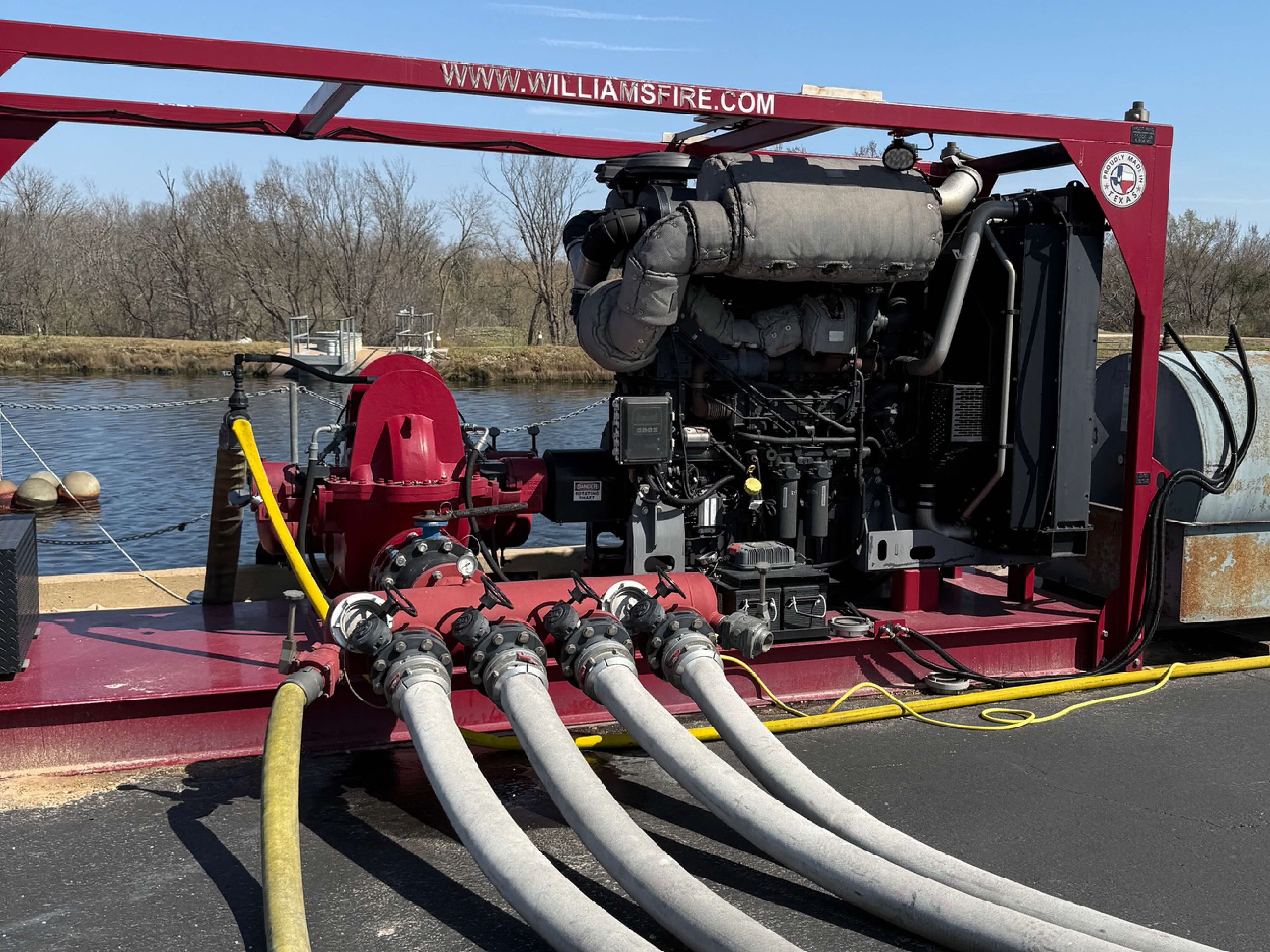
One of the most commonly referenced aspects of NFPA 1962 is the requirement for annual service testing. Fire hose should be service tested at least once every year to verify that it can safely withstand designated pressures and continue performing as intended.
Additional testing may also be required when:
- A hose has been repaired
- A hose shows signs of damage
- A hose has been exposed to abnormal operating conditions
- A hose's serviceability is in question
Annual testing provides an opportunity to evaluate both the hose jacket and internal liner while confirming the integrity of couplings and connections.
Routine Fire Hose Inspection
While annual testing is critical, NFPA 1962 places equal emphasis on routine fire hose inspection.
Hose should be inspected:
- After each use
- Following cleaning operations
- After repairs
- During scheduled maintenance activities
Inspectors should look for:
- Cuts, tears, or abrasions
- Burn damage
- Chemical contamination
- Mold or mildew
- Coupling damage
- Loose expansion rings
- Kinks and deformities
- Signs of liner deterioration
Many hose failures can be prevented simply by identifying visible issues early and removing damaged hose from service before it becomes a safety risk.
Pressure Testing Considerations
NFPA 1962 specifies service test procedures and pressures based on hose type and construction. Organizations should always consult the current edition of the standard and manufacturer recommendations when determining appropriate testing pressures.
Testing is designed to verify that the hose can safely operate under expected service conditions without leakage, coupling movement, or structural failure.
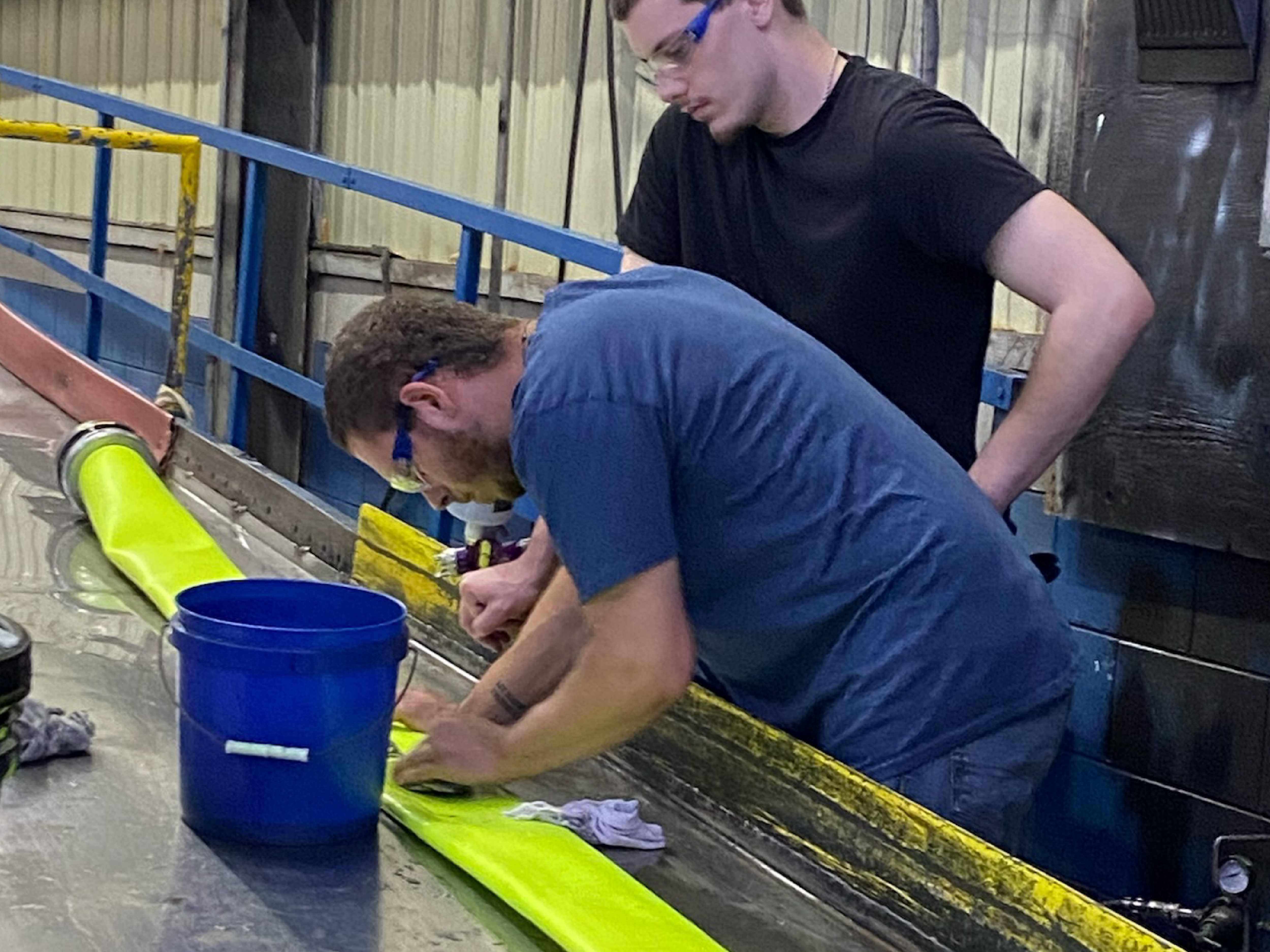
Because high-pressure testing involves significant stored energy, safety precautions are essential. Personnel conducting tests should follow established procedures, use appropriate restraints when necessary, and maintain safe distances throughout the testing process.
Evaluating Test Results
A successful test confirms that a hose remains suitable for continued service.
During testing, evaluators should monitor for:
- Leakage through the jacket or liner
- Coupling slippage
- Excessive twisting
- Structural defects
- Visible damage under pressure
Any hose failing to meet acceptance criteria should be removed from service and evaluated for repair or replacement.
A Practical Hose Testing Workflow
Many organizations find it helpful to establish a standardized testing workflow that aligns with NFPA 1962 while minimizing operational disruption.
The following process can serve as a practical framework for annual fire hose testing programs.
Step 1: Inventory and Preparation
Before testing begins, create or update a complete hose inventory.
Record information such as:
- Hose identification number
- Hose size and length
- Manufacturer
- Date of purchase
- Previous test history
- Current service assignment
Accurate inventory records simplify testing logistics and improve long-term asset management.
Step 2: Conduct a Detailed Visual Inspection
Every hose should undergo a thorough visual inspection before pressure testing.
Inspectors should examine:
- Hose jackets
- Couplings
- Gaskets
- Threads
- Expansion ring
- Identification markings
Any hose exhibiting obvious damage should be evaluated before proceeding to pressure testing. A careful inspection often identifies issues that pressure testing alone may not reveal.
Step 3: Clean and Prepare the Hose
Dirty hose can conceal damage and make inspections less effective.
Prior to testing:
- Remove debris and contaminants
- Allow hose to dry if required
- Verify proper coupling connections
- Confirm identification labels remain legible
Clean hose improves inspection accuracy and supports more reliable testing results.
Step 4: Perform Service Testing
Once inspection and preparation are complete, hoses can move through the service testing process.
Key best practices include:
- Using calibrated testing equipment
- Following NFPA 1962 procedures
- Applying designated test pressures gradually
- Monitoring pressure stability
- Observing hose performance throughout the test duration
Testing crews should maintain clear communication and follow all safety protocols during pressurization.
Step 5: Evaluate and Classify Results
After testing, each hose should receive a disposition decision.
Typical classifications include:
- Passed: Hose meets all testing and inspection criteria and remains in service.
- Repair Required: Hose may be repairable and should be removed from service until repairs are completed and verified.
- Retire/Replace:Hose exhibits damage or deficiencies that make continued service unsafe or impractical.
Establishing consistent criteria for these decisions helps ensure uniform evaluations across the organization.
Step 6: Update Records Immediately
Documentation should be completed immediately after testing as waiting until later increases the likelihood of incomplete records, lost information, and compliance gaps.
Accurate records support future inspections, budgeting decisions, replacement planning, and regulatory reviews.
Documentation, Recordkeeping & Service Decisions
One of the most overlooked aspects of fire hose testing requirements is documentation.
NFPA 1962 emphasizes maintaining records that demonstrate inspection, testing, repair, and maintenance activities throughout the life of the hose.
Why Documentation Matters
Comprehensive hose testing documentation provides several important benefits.
First, it helps verify compliance with departmental policies and applicable standards.
Second, it creates a historical record that allows departments to identify recurring issues, monitor hose performance, and make informed replacement decisions.
Third, accurate documentation can become invaluable during incident reviews, audits, investigations, or insurance-related inquiries.
Without reliable records, it becomes difficult to demonstrate that hoses were properly maintained and tested.
Information to Record
Organizations should document:
- Hose identification numbers
- Inspection dates
- Test dates
- Test results
- Repairs performed
- Personnel conducting inspections or tests
- Removal from service decisions
- Replacement dates
Maintaining consistent records across all hose assets helps create a complete lifecycle history.
Digital Recordkeeping Advantages
Many departments continue to rely on paper forms and spreadsheets for hose testing documentation. While these methods can work, they often create challenges related to data consistency, accessibility, and long-term retention.
Digital recordkeeping systems provide several advantages:
- Centralized data storage
- Faster record retrieval
- Improved accuracy
- Easier compliance tracking
- Better visibility into equipment history
- Simplified reporting
As hose inventories grow, digital systems can significantly reduce administrative burdens while improving overall record quality.
Using Hose Record Vault for Documentation Management
To support hose lifecycle management and documentation efforts, organizations may choose to utilize digital tools such as Snap-tite's Hose Record Vault.
Available online, the platform is designed to help departments organize inspection records, testing histories, maintenance activities, and hose asset information in a centralized location.
When combined with a structured inspection and testing program, digital record management can make it easier to maintain complete records and quickly access critical hose information when needed.
When Professional Testing Services May Be Appropriate
Many departments successfully conduct annual testing in-house. However, there are situations where professional testing services may provide additional value.
Examples include:
- Large hose inventories
- Limited staffing availability
- Specialized industrial hose applications
- Complex testing schedules
- Need for detailed documentation support
- Questions regarding hose condition or serviceability
Professional service providers can help organizations complete testing efficiently while ensuring procedures align with applicable standards and manufacturer recommendations.
Final Thoughts
NFPA 1962 provides a comprehensive framework for maintaining safe and reliable fire hose systems. While the standard contains detailed technical requirements, its primary objective is straightforward: ensure that fire hose remains ready to perform when lives and property depend on it.
A successful annual fire hose testing program combines routine fire hose inspection, standardized testing procedures, thorough evaluation of results, and complete hose testing documentation. Together, these practices improve firefighter safety, support compliance efforts, and help maximize hose service life.
By establishing a repeatable workflow and maintaining accurate records, fire departments and industrial brigades can confidently meet NFPA 1962 expectations while ensuring their hose inventory remains mission-ready year after year.